Car ou PGCD1

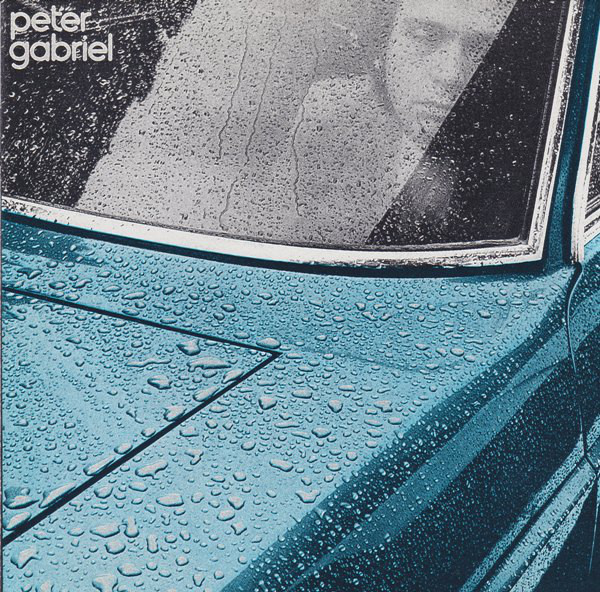
Peter s’entoure d’une équipe de musiciens issus de styles musicaux forts différents du progressif – à l’exception de Robert Fripp -, dont les guitaristes Dick Wagner et Steve Hunter, le bassiste Tony Levin qui deviendra un membre régulier de son groupe solo.

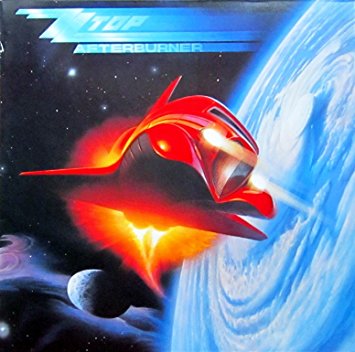
Afterburner

L’origine légendaire de leur nom reste relativement obscure. Certains affirment qu’il s’agit du nom du papier à cigarette utilisé à l’époque par les membres du groupe. Pour d’autres, le groupe aurait pris ce nom pour que leurs albums soient toujours les derniers dans les bacs à disques (vinyles à l’époque) de tous les disquaires (le classement dans ces bacs étant le plus souvent alphabétique). Une rumeur persiste par ailleurs quant au fait qu’il s’agirait tout simplement d’une faute de frappe, le groupe devant s’appeler initialement « 22 top » et non « zz top ». Le nom peut aussi provenir de l’artiste de Blues ZZ HILL ; hill signifiant « colline » d’où « top of the hill » (sommet de la colline) = ZZ Top.

Billy Gibbons explique dans le livre consacré au groupe Rock + Roll Gearhead que le nom est choisi en hommage au maître du blues B.B. King. Ils auraient d’abord choisi de s’appeler « ZZ King » mais cela ressemblait encore trop à l’original et considérant que ce « King » était au « Top », ils auraient ainsi opté pour ZZ Top

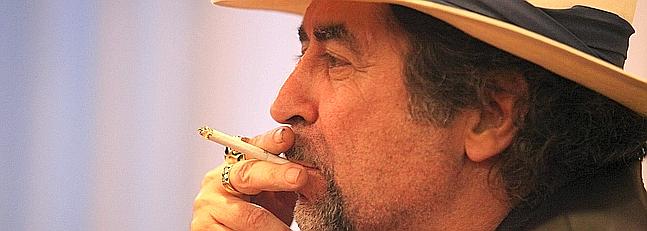
Joaquín Sabina

Sabina

À quatorze ans, Joaquín Sabina commence à écrire des vers. Un peu plus tard, il se passionne pour des auteurs comme Jorge Manrique, José Hierro, Marcel Proust, et James Joyce. Il lance son premier groupe musical avec d’autres adolescents appelé les Merry Youngs, sur des thèmes d’Elvis Presley, Chuck Berry ou encore Little Richard.

Sabina est un artiste qui montrera à plusieurs reprises son engagement pour défendre les valeurs idéologiques du parti politique espagnol La Gauche unie (Izquierda Unida). Dans les années 1970, il lance un cocktail molotov contre une agence bancaire pour protester contre le Procès franquiste de Burgos, ce qui lui valut de s’exiler à Londres et en Argentine où il rencontrera son épouse de l’époque.

En 2005, il reçoit la Médaille d’or du mérite des beaux-arts par le Ministère de l’Éducation, de la Culture et des Sports.

Robert Fripp

Robert Fripp est un guitariste britannique né le 16 mai 1946 à Wimborne Minster1. Il est principalement connu en tant que fondateur, en 1969, du groupe rock progressif King Crimson, dont il est le seul membre permanent. Il a également travaillé avec de nombreux autres artistes, parmi lesquels Van der Graaf Generator, Peter Hammill, David Bowie, Blondie, Andy Summers, Brian Eno, Peter Gabriel ou David Sylvian. Robert Fripp a influencé un grand nombre de musiciens et il est considéré comme l’un des pères du rock progressif.

Sirius/Eye In The Sky

Don’t think sorry’s easily said
Don’t try turning tables instead
You’ve taken lots of chances before
But I ain’t gonna give any more
Don’t ask me
That’s how it goes
‘Cause part of me knows what you’re thinking…
Don’t say words you’re gonna regret
Don’t let the fire rush to your head
I’ve heard the accusation before
And I ain’t gonna take any more
Believe me
The sun in your eyes
Made some of the lies worth believing

I am the eye in the sky
Looking at you
I can read your mind
I am the maker of rules
Dealing with fools
I can cheat you blind
And I don’t need to see any more
To know that I can read your mind, I can read your mind, I can read your mind, I can read your mind

Don’t leave false illusions behind
Don’t cry ’cause I ain’t changing my mind
So find another fool like before
‘Cause I ain’t gonna live anymore believing
Some of the lies while all of the signs are deceiving

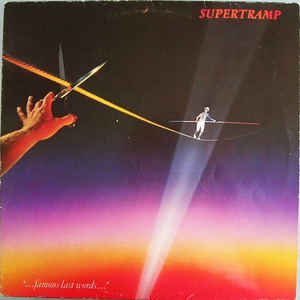
…Famous Last Words…

Don’t leave me now
Leave me out in the pouring rain
With my back against the wall
Don’t leave me now
Don’t leave me now
Leave me out with nowhere to go
And the shadows start to fall
Don’t leave me now
Don’t leave me now
Leave me out on this lonely road
As the wind begins to howl
Don’t leave me now
Don’t leave me now
All alone on this darkest night
Feeling old and cold and grey
Don’t leave me now

Don’t leave me now
Leave me holding an empty heart
As the curtain starts to fall
Don’t leave me now
Don’t leave me now
All alone in this crazy world
When I’m old and cold and grey and time is gone


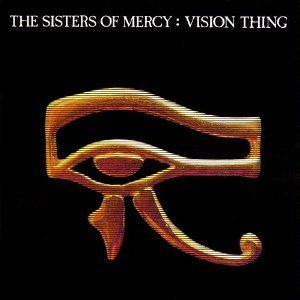
Vision Things

You say stay and never leave
You say meant for ever
I could believe you, but I don’t
You say we’re almost all alone together
All alone
You say
You say you will
I know you won’t
I was wrong
I was wrong to ever doubt
I can get along without
I can love my fellow man
But I’m damned if I’ll love yours
In a bar that’s always closing
In a world where people shout
I don’t wanna talk this over
I don’t wanna talk it out
I was quite impressed until I hit the floor
Isn’t that what friends are for?
Pain looks great on other people
That’s what they’re for
I was wrong
I was wrong to ever doubt
I can get along without
I can love my fellow man
But I’m damned if I’ll love yours
You say stay and never leave
You say meant for ever
I could believe you, but I don’t
You say we’re almost all alone together
All alone
You say
You say you will
I know you won’t
I was wrong
I was wrong to ever doubt
I can get along without
I can love my fellow man
But I’m damned if I’ll love yours
In a bar that’s always closing
In a world where people shout
I don’t wanna talk this over
I don’t wanna talk it out
I was quite impressed until I hit the floor
Isn’t that what friends are for?
Pain looks great on other men
That’s what they’re for
I was wrong
I was wrong to ever doubt
I can get along without
I can love my fellow man
But I’m damned if I’ll love yours

Black album

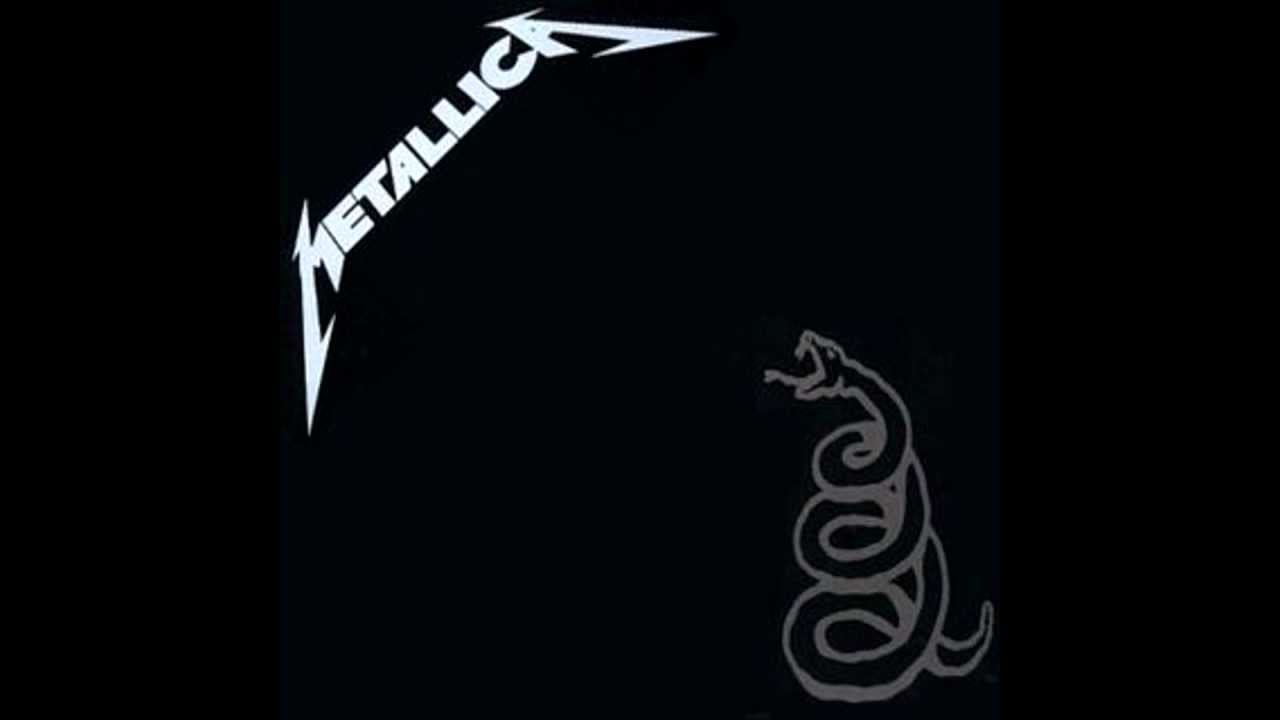
L’album Metallica sort en 1991. Avec sa pochette presque entièrement noire, il est rapidement surnommé le Black Album tant par les fans que les membres du groupe. Cet album est à l’heure actuelle le plus grand succès commercial du groupe, avec plus de 30 millions d’exemplaires vendus à travers le monde3.

L’album marque une évolution importante dans le style du groupe. Les tempos sont plus lents, les morceaux sont plus courts et leurs structures beaucoup plus simples, aspirant ainsi à du simple rock. C’est principalement un album de heavy metal, et il n’y a plus beaucoup de traces de thrash metal. Par son côté plus « commercial » que les précédents albums du groupe, qui a déplu à un certain nombre de fans de la première heure, il lui a permis d’atteindre un plus large public. C’est aussi le premier album du groupe produit par Bob Rock qui restera leur producteur jusqu’à St. Anger. Comme dans …And Justice for All, Jason Newsted ne collabore qu’à un seul titre dans l’écriture des chansons.

Les titres les plus connus sont Enter Sandman, Sad but True, The Unforgiven, Nothing Else Matters, Wherever I May roam (tous sortis en single).

Malgré son côté plus accessible, l’album Metallica reste une production respectée dans le milieu du heavy metal. On note par ailleurs l’importance croissante que prennent les ballades ou power ballads pour Metallica (Nothing Else Matters, The Unforgiven, deux ballades très connues).

Jason Newsted utilisera pour la première fois dans un album de Metallica une basse 12 cordes, dans Wherever I May Roam. Enter Sandman fut notamment composé par Lars Ulrich à partir d’un riff que Kirk Hammett avait composé à 3h15 du matin.

James Hetfield nous informe dans le documentaire « Classic Albums: Metallica » (2002), que la plupart des chansons partaient d’un simple riff, qui fut exploité et poussé jusqu’au maximum.

Certaines personnes diront que : « cet album est heavy sans être thrash, donc mesuré mais puissant » (David Fricke, éditeur du magazine Rolling Stone). D’autres diront qu’avec cet album Metallica devient « Le Led Zeppelin d’une génération » (Cliff Burnstein : Co-Manageur). Les paroles de cet album sont souvent plus personnelles que celles des albums précédents. The God That Failed en est l’exemple le plus concret, James Hetfield y parlant de la secte religieuse dans laquelle ses parents étaient embrigadés.

Early Stages

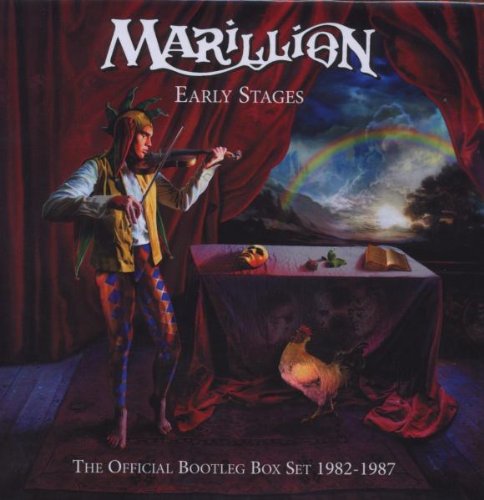
Early Stages (Official Bootleg Box Set 1982-1987) is a box set containing six separate live albums by Marillion with their former singer Fish, recorded at various venues in the UK between 1982 and 1987 and released to retail by EMI on 17 November 2008. The packaging was designed by Mark Wilkinson, who had designed all Marillion covers of the 1980s and went on to work with Fish after his departure. A similar box set (containing different performances), titled Curtain Call, was released in 2004, but was only made available via mail order directly from the websites of Marillion and Fish.[2]

The set contains the following recordings:

Live at the Mayfair, Glasgow 13 September 1982 (CD 1)
Live at the Marquee, 30 December 1982 (CD 2 & 3)
Live at the Reading Festival, 27 August 1983 (CD 4)
Live at Hammersmith Odeon, 14 December 1984 (CD 5)
Live at Wembley Arena, 5 November 1987 (CD 6)

Voyage 34

The album originates from a single track, titled « Voyage 34 », which was to be part of the Porcupine Tree‘s second studio album, Up the Downstair. Originally a 30-minute track intended to be the second disc of a double album, Wilson eventually decided to release « Voyage 34 » independently of the rest of the album. Instead, it was released in two parts, as singles, as « Voyage 34 (Phase 1) » and « Voyage 34 (Phase 2) » in 1992. In 1993, Voyage 34: Remixes was released, containing two remixes of the originals. « Voyage 34 (Phase 3) » was a remix by the British electronic music group Astralasia, while « Voyage 34 (Phase 4) » was a remix by Wilson himself, along with future band member Richard Barbieri. A voice sample of Dead Can Dance‘s song « As the Bell Rings the Maypole Spins » is repeated throughout all four tracks.

Voyage 34: The Complete Trip compiles all four « phases » onto one album. The cover art is inspired in Timothy Leary‘s record L.S.D (1966) cover.

Despite being mostly instrumentalVoyage 34 can be considered a concept album, where the LSD trip of a young man called Brian is told with spoken words. Musically it is a fusion of progressive rockpsychedelic rock and trance music.

During a 2002 interview before the release of In Absentia, Steven Wilson said the following in regards to the release of Voyage 34 after being asked why the band released a 30-minute single:

« It was an anti-single. It was a thirty minute single about drugs and it had no vocals in it. I thought that no one is going to play this. But it charted anyway. It was the ultimate ‘fuck you.’ We have released four minute singles since then. But for Porcupine Tree to release a single is like an oxymoron. It’s very difficult to take out a four minute chunk from an album and say ‘Here we are. This totally encapsulates everything Porcupine Tree are about.’ It’s never been satisfactory to me to release a single. If you know the group, you know that from one minute we go from extreme metal riffing to ambient texture, the next minute we’ll have a pop hook, the next minute we’ll have some avant garde sample. All of these things are part of the album. How do you take a chunk of that? To me it’s totally unrepresentative. »[3]

Wilson said of Voyage 34, in reflection, in 2012: